Physical Address
304 North Cardinal St.
Dorchester Center, MA 02124
Physical Address
304 North Cardinal St.
Dorchester Center, MA 02124

There are many stages in selecting the right puppy for your family.
With such a big decision, it is important not to get swept away in the excitement of the process or simply buy the puppy that you believe to be the cutest. Choosing the right puppy is vital, as your new addition needs to fit perfectly into your unique lifestyle.
To help guide you in the right direction, we are splitting this blog into the following three sections:
Which Breed Category Would Suit You Best?
All dogs will fall into one of the following categories, as decided by the Kennel Club:
1) Working (Rottweiler)
2) Hound (Bassett Hound)
3) Pastoral (Border Collie)
4) Utility (Dalmatian)
5) Toy (Chihuahua)
6) Gundog (Labrador Retriever)
7) Terrier (Fox Terrier)
8) Cross Breed (Cockerpoo)
9) Mixed Breed (Cavapoochon)
The first 7 categories are made up of dogs that are from parents and grandparents of the same breed (Pedigree). A crossbreed is defined as having two distinct breeds coming together and breeding. That just leaves a mixed breed, which refers to a dog whose genetic makeup is descended from more than two recognised breeds. (For more information on these categories and what their origins are, please refer to our “Understanding the Kennel Club” blog.)

Which Breed From The Above Categories Could Fit Best?
When looking at buying a new puppy, you must understand which category the breed belongs to. Why is this so important?
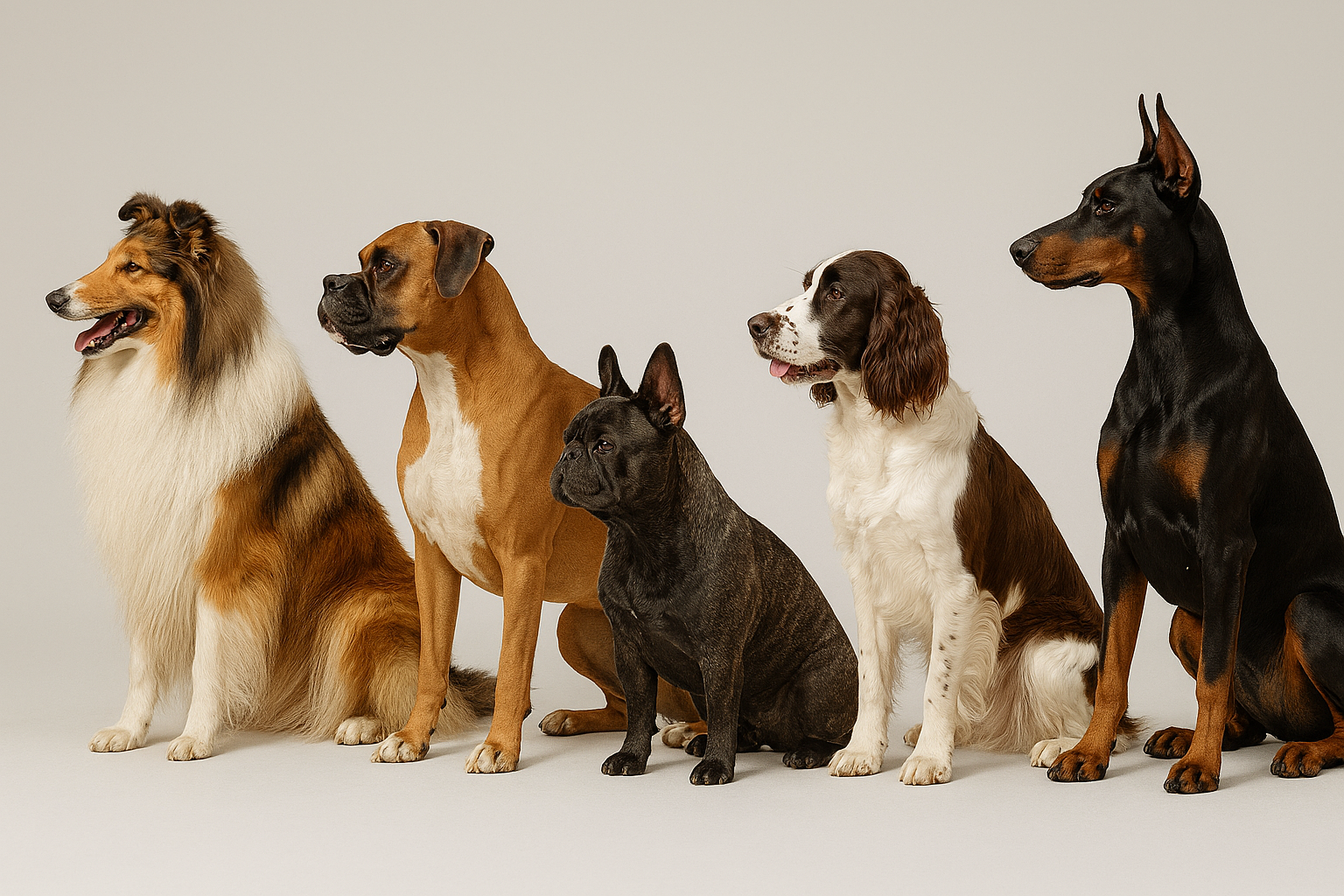
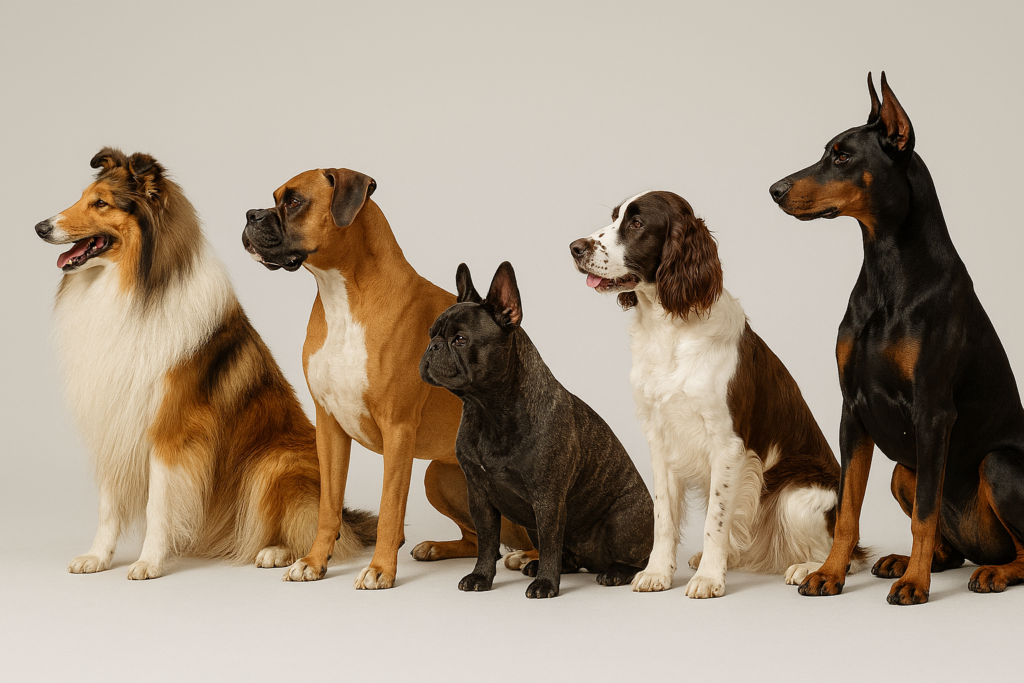
To add some context to the above list, a first-time owner may want to avoid breeds that are in the Working or Pastoral categories. This is because those breeds were originally intended to be guard dogs, which have high stamina for working purposes. They are typically more headstrong and can be dangerous if not trained properly. Further examples of these breeds include: Boxers, Huskies, Great Danes, Malamutes, Dobermans, German Shepherds, and Collies. On the other hand, if trained correctly, these dogs can be the best for family situations and for having the most loyal companion. These dogs will naturally want to guard and protect their family, as well as typically take more so to one individual.
If you are someone who enjoys quiet walks around the countryside and needs your dog to be great at recall, you may want to think twice about going for a breed within the Terrier or Hound groups. This is because a lot of terriers were originally bred for ratting and chasing rodents and poulters into warrens. They have a high natural prey drive, so this can be hard to control once they lock onto a scent out on a walk. This has the potential to become very dangerous for your dog, so you need to be prepared to deal with their natural instincts. The same also applies to Hounds, such as Beagles, Bloodhounds, Greyhounds, and Whippets. Hounds were bred for hunting, so they also have a very high prey drive. Although very few are now used for that purpose, the natural instincts are still present. Although some hounds, mainly Beagles, are very food-oriented. This means that you may find it easier to train a hound and establish a bond with them a little quicker with them.
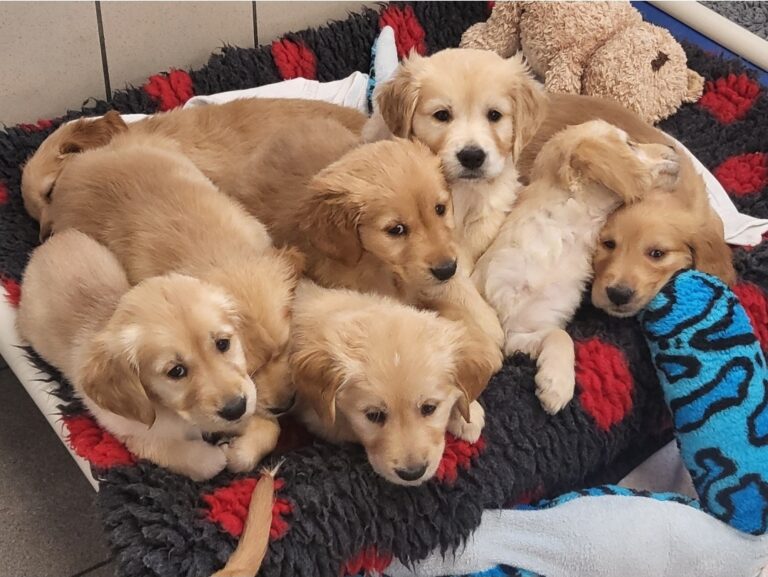
Gundogs tend to make great first dogs, as this category includes Golden Retrievers, Flat coat Retrievers, Spaniels, Setters. These dogs are often the favourite for family pets, as they have a soft and gentle nature. Unlike the terriers who were used for hunting and killing, the gundogs were merely their to retrieve pray such as pheasants and ducks once the farmer had shot them. They are also very loyal and said to be the easiest category to train, especially for recall. However, I would personally not recommend having a Spaniel as a first ever dog, as in my experience, they have a very chaotic personality and this can become overwhelming to begin with.
Cross and Mixed Breeds are sometimes the best option for first-time owners. This is because the known health issues and complications prominent in certain breeds could have been ‘bred out’ by combining the DNA of two or more different bloodlines. For example, those who love Pugs, French Bulldogs and other Brachycephalic breeds, but do not want to take on the cost implications of having a dog with high medical needs, could look at a Jug or Puggle. A Jug (Pug x Jack Russel) or Puggle (Pug x Beagle) allows you to enjoy the personality and aesthetics of a Pug, but with an elongated nose and therefore reduced risks of respiratory complications. The potential downside of having a crossbreed is that you could mix two clashing behavioural traits. For example, a Sprocker (Cocker Spaniel x Springer Spaniel) is a very high-energy breed! This would mean the best fit for this dog/puppy is a very active family. The downside to a mixed breed would be the unknown. The majority of mixed breeds have an unknown ancestry, meaning you could be getting any category of dog without knowing it.
Knowing which breed is best for you is a complicated question to answer. The only advice I can give is to educate yourself on the breeds of interest. Having worked in the industry for a long time, there are definitely breeds I would never advise a new dog owner to have. (Find out more in next week’s blog – ‘5 Breeds To Avoid For New Owners’)
The easiest way to break down your options, would be by assessing the following questions:

Where To Find Reputable Breeders:
It can be a mindfield looking for a responsible breeder. A breeder can truly make or break one of the most exciting moments of your life. A responsible breeder will provide a safe, caring, knowledgeable process. They should be going through how to care for your new addition when home, have documented proof of KC registration for the parents/grandparents if a pedigree breed, have veterinary documents of health checks, provide access numbers to amend microchip details, and have vaccination cards ready to go. The puppies should be active, free from bloated bellies and any signs of fleas or worms. (More about this can be found on our ‘Picking A Puppy From A Litter’ blog)
I would suggest starting by searching your desired breed on the Kennel Club website, as they ensure all breeders are vetted, and the dogs are of the best quality according to breed standards.
https://www.royalkennelclub.com/search/find-a-puppy
If you have decided to buy a cross or mixed breed, there are designated support groupd on plateforms such as Facebook, which promote dedicated experts and breeders for that breed. This would be a great place to start if you know what cross/mix you are looking for.
If you have decided that a puppy would suit your family best, rescue centres often have pregnant mums and litters surrendered. Therefore, it is always a great idea to contact your local rehoming centres. Dogs Trust and Battersea are great places to start!
https://www.dogstrust.org.uk/about-us/what-we-do/stories/pupdate
https://www.battersea.org.uk/dogs/dog-rehoming-gallery
We hope this blog has been helpful and has given you some ideas about which breeds could be a good fit for you. Look out for the next additions, and please feel free to contact MegA Blogs if you have any specific questions!