Physical Address
304 North Cardinal St.
Dorchester Center, MA 02124
Physical Address
304 North Cardinal St.
Dorchester Center, MA 02124

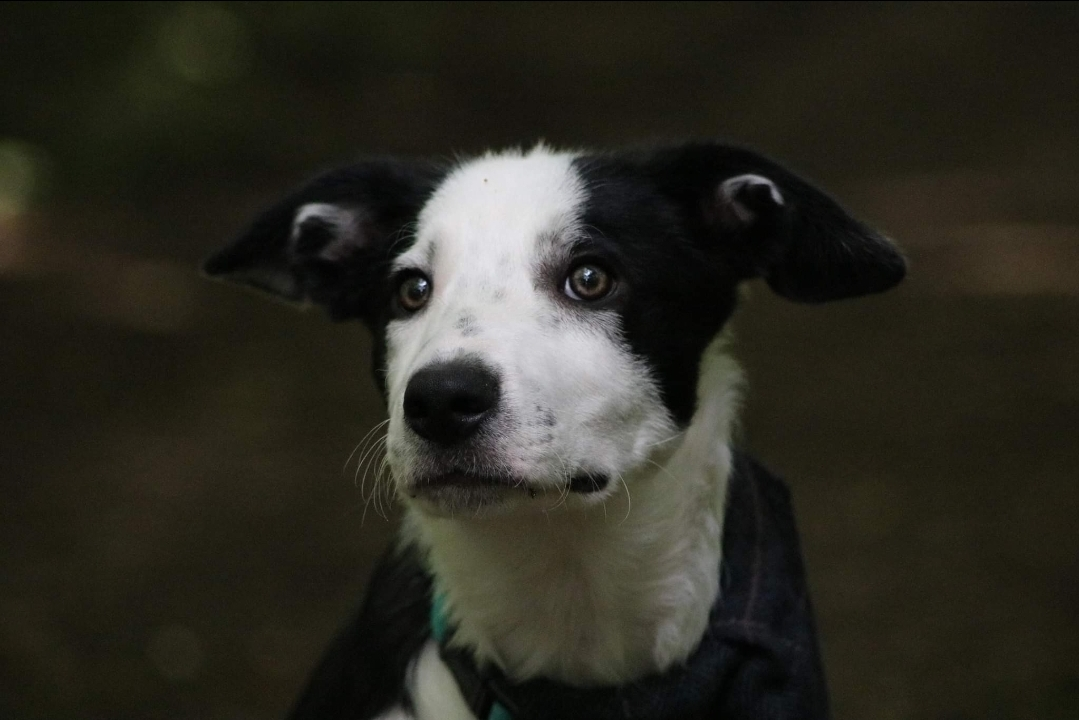
Thinking about taking the next step in growing your family? Ready to add a new best friend into the mix? Then it sounds like you may be getting a new puppy!
Puppies are wonderful, intelligent, loyal creatures. They have a crazy, inquisitive mind and somewhat chaotic demeanour…but hey, lets just call that “personality!”
Much like children, every puppy will have a slightly different personality. Whilst there may be recognisable behavioural traits associated with specific breeds, no two puppies will be the same. That’s the exciting part!
Planning for your new arrival is not as stressful as you may think. Your shopping list can be broken down into the following 5 sections: (See, doesn’t sound so bad when you say it like that!)
Now lets break these categories down further! The items with a (*) next to them are essential, whereas the other items are suggestions for your little one.
Feeding Time
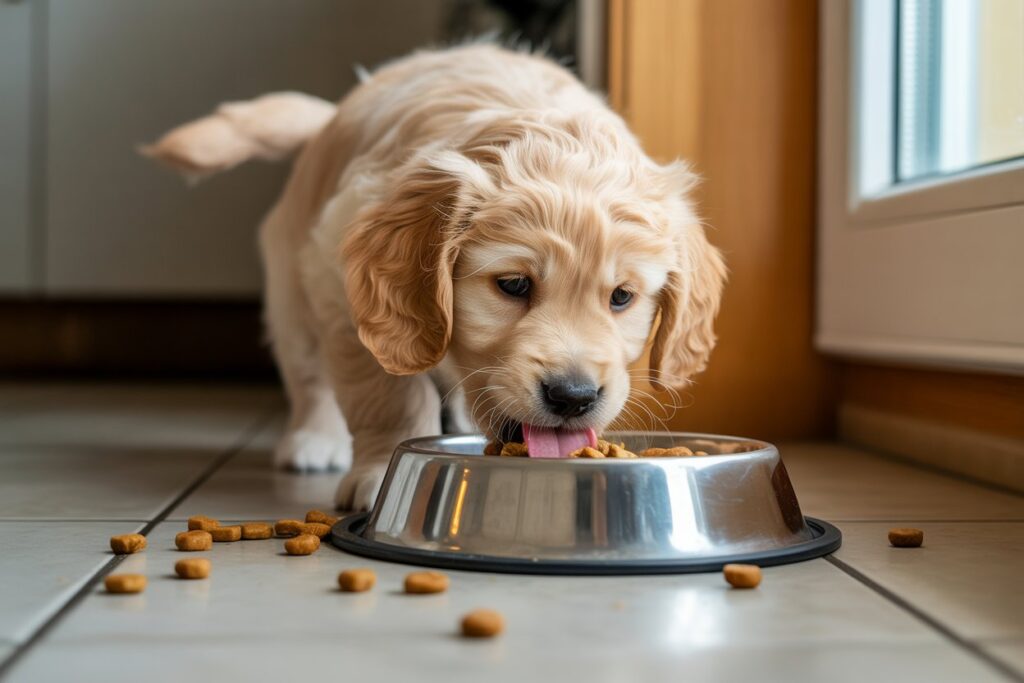
Whilst the type of food you decide to feed your new puppy may not feel that important to begin with, your choice could have lasting impacts on your puppy’s growth, development, gut health, and intolerances. To begin with, you should continue offering your pup the same food that the breeder has been feeding, as a sudden change of diet will upset your puppy’s digestive track and cause problems such as diarrhoea. Even if the food that your pup comes home with is not the quality you would like to provide your new addition, it is best to allow them to settle into their new home before gradually swapping foods over.
This may seem like a really obvious mention, but choosing the wrong bowl for your pup could cause them to not finish meals, or the water being too deep. Depending on the breed you have chosen, some bowls are too deep and can be a little off-putting. For example, small breeds (Chihuahuas, Jack Russells, Dachshunds) will need a far shallower bowl in early puppyhood. This is where purchasing specific puppy bowls could come in handy.
Some more food-oriented breeds (Labradors, Spaniels, Beagles) may also benefit from a slow feeder. A slow feeder is a normal bowl, but with a maze-like design inside. This allows the food to fall in the grooves and forces your pup to slow down and get the food out when eating. Encouraging your pup to slow down when eating is great, as inhaling food can lead to extremely dangerous complications.
Having a place mat is not essential when bringing your new pup home, but it is a nice idea for helping to contain mess after meals and having water. I would personally recommend having the silicone mats, as they make all bowls non-slip and can save you from cleaning up many spills from overenthusiastic little ones.
Again, this is not essential, but I would strongly recommend having food-safe storage containers. Whilst your pup’s food will be okay in the bag it comes in, the food will stay fresher if you decant it into an airtight container. This is an especially good idea if you purchase bulk food bags. Also, never underestimate the power of a hungry puppy!! Those food bags are not as secure as you would expect…you have been warned.

Sleep Time
Crate training a puppy can be a controversial topic, so it is important to complete your research on this and make a decision for yourself as to whether a crate will work in your household. For me, I would always recommend having one. A crate will create a safe space for your puppy to take themselves off to when things in their new home become a little overwhelming. The crate should not be very big, as an enclosed and darkened space will help your pup relax and feel safe. The crate should be a child-free area too, so if you have kids, it is very important to teach them that when the puppy goes into the crate, they should be left alone to sleep and feel secure.
A dog bed is essential for a new puppy, as it allows them to have an area to chill and also sets the groundwork for training in a place. If not in a crate, a bed should have sides for a puppy. Sides on a bed will give the pup something to snuggle up against, mimicking the behaviour of sleeping up against fellow litter mates. A bed with sides will just help your puppy settle a little more at night.
Blankets are a great way to add comfort to your pup’s surroundings. They can also be used to scent mark when bringing your new addition home. If you give a blanket to your breeder when you visit, you can ask them to rub it over mum and allow all the puppies to play on it. Then, when it is time for you to pick your new pup up and take them home, they can leave with a blanket that smells of their mum, which will comfort them whilst learning who you are.
A heart-beat teddy is not strictly essential, but I would strongly advise looking into getting one if you are able to do so. A heartbeat teddy is a cuddly toy with a sound machine built in to mimic a heart beating. The sound will be extremely comforting to your new puppy, helping them to settle and sleep more without fear of being alone in a place that is not familiar.
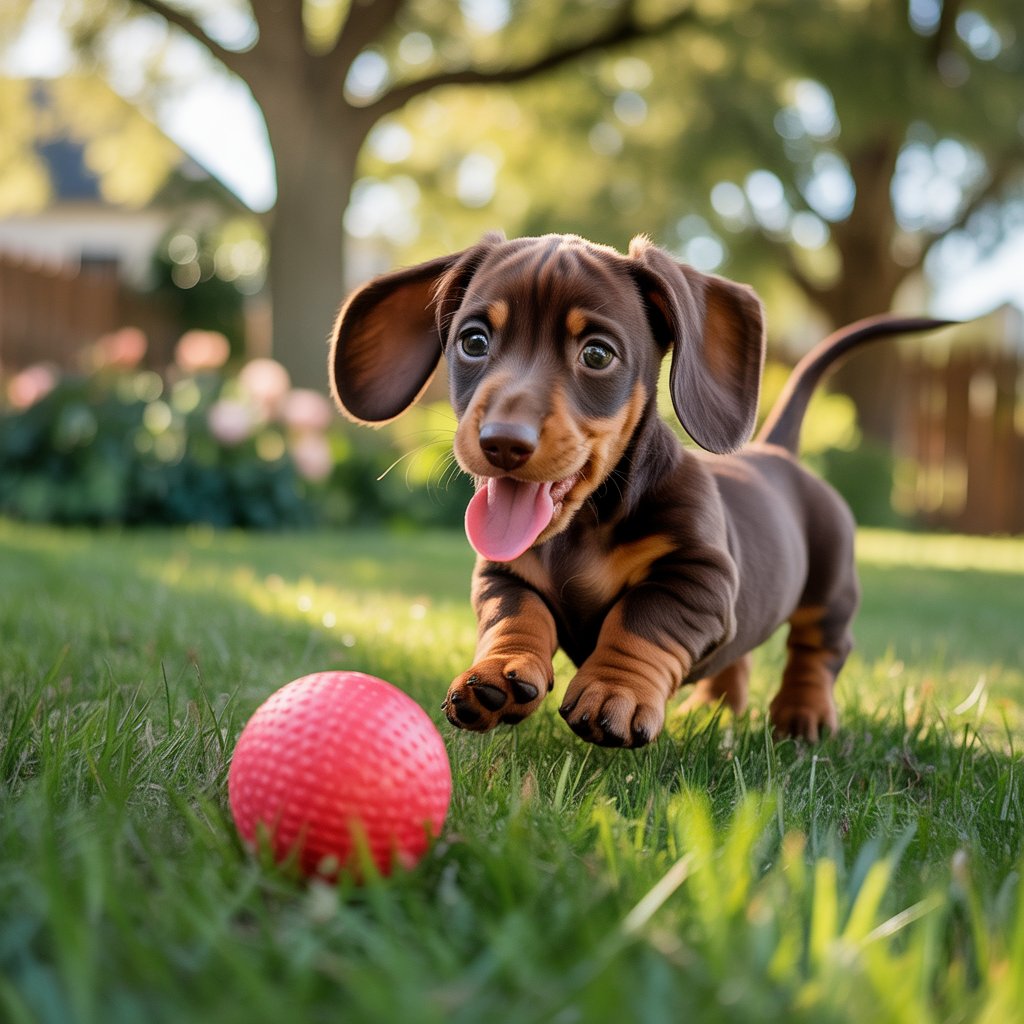
Play/Bonding Time
Playing with your puppy is essential for building that bond and trust between owner and dog. The more you play and encourage the interaction, the easier it will be to transfer that bond into training. I would advise avoiding rope toys, as many puppies have been known to eat the rope threads and end up in an emergency situation, because the rope has gotten stuck after the pup has swallowed it. To save the distressing situation, I would stick to the crinkling tops as they tend to be the most popular!
Most dogs are naturally food-oriented, so treats will further help with developing that bond. Just be careful not to offer too many treats, as this could cause a sudden weight increase or a very upset tummy for your little one. As a suggestion, I would take a percentage of your pup’s food allowance for the day and use those bits of kibble as treats for training. Your pup will be excited to have food, whilst you know that it will not cause digestive distress or unwanted weight gain.
A toy box is a great way of keeping all your dog toys in one place. Your pup will eventually learn where this box is kept within the house, allowing them to visit many times in search of different toys. A toy box may not be essential for getting a puppy, but it is essential for keeping a clean and organised home.
Puzzle games are a fantastic way of introducing enrichment and fun challenges to your puppy’s day. There are many options, but my personal favs are snuffle mats and kongs. Breeds such as Golden Retrievers, Border Collies, and German Shepherds are unbelievably intelligent, so providing small challenges to them will really help focus their energy and can even be very calming for the pup. A stuffed Kong will mean that your pup will need to use its tongue to lick the treats inside the Kong. Licking is a behaviour that calms a dog down, so this could help when their little zoomies get a little too wild!
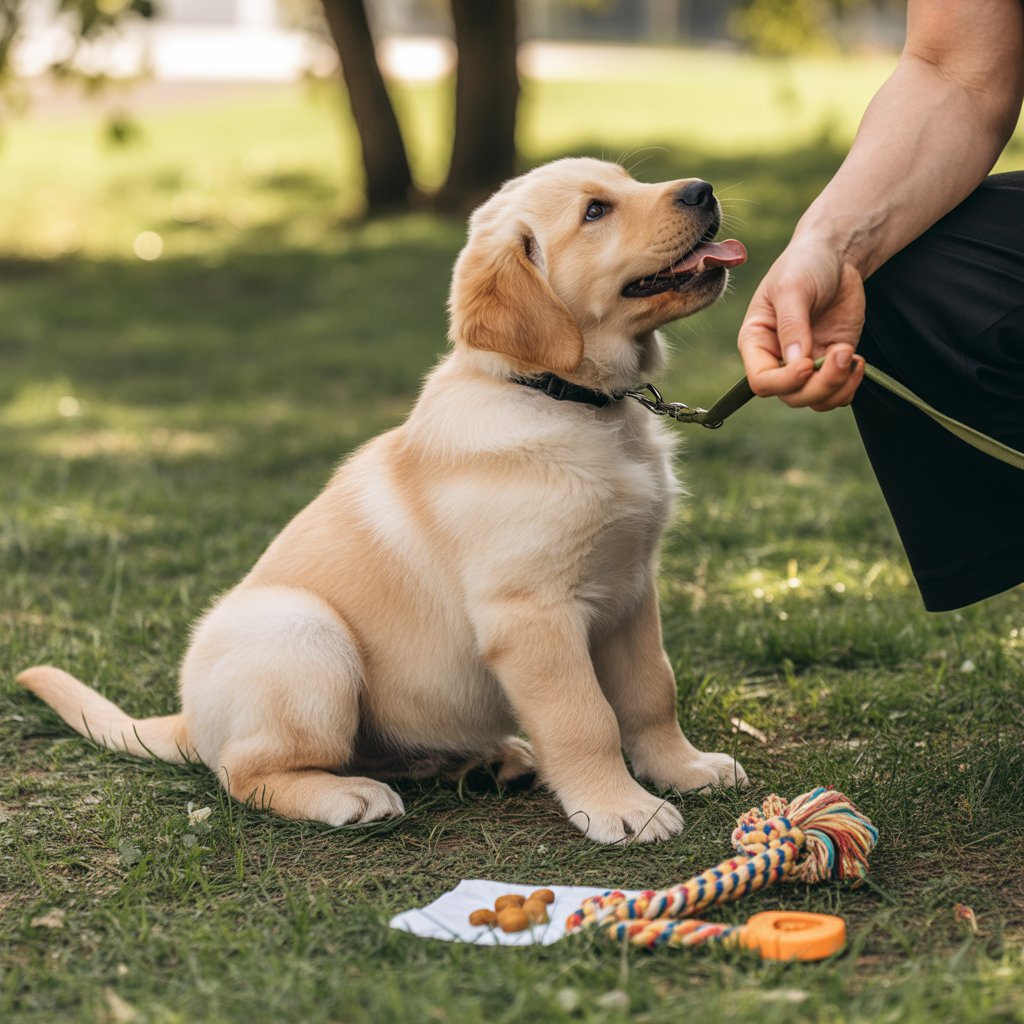
Training Time
Probably the most obvious thing on this list, but you will need an ungodly amount of poo bags! Your little pup will go through these bags like they are going out of fashion. As a pro tip, I would ensure you have a random supply of poo bags all over the place (multiple locations around the house, in the car, in coat pockets), as you will definitely be needing them. Not picking up after your puppy can result in fines and legal actions, so there is no point risking being caught short!
Collar, lead, harness. The holy trilogy when it comes to getting a puppy. By law, your puppy must have a collar on in public with an ID tag. Even when your pup is unable to be walked due to not being old enough to have the required vaccinations, you should still be using the items in the house as a desensitisation activity. By doing this regularly, your pup will not be bothered by having the harness and lead on them when it comes to training and walking. That is one less distraction to worry about!
When it comes to selecting the right harness for your new dog, I would always recommend taking them into a store and having someone fit the harness properly, so you can maximise comfort and safety for your pup.
A long line is essential for training your puppy on recall. Recall is just about the most important thing to teach your puppy, as it could save their life in the future when they are chasing a ball into traffic. Having the long line will simulate your puppy being off-leash and having freedom to run around. If your pup is a little selective on hearing, you still have several metres of line to grab onto if they decide the cat across the road is more interesting than your training session!
Accidents around the house will just happen when you have a new puppy. That is simply a fact. To ensure the environment is sanitised and free from bacteria, it is crucial to have an animal-safe antibacterial spray to hand. Ensure the spray is an animal-safe variant, as harsh chemicals could cause irritation for your puppy’s sensitive skin.
Not essential for having a new puppy, but definitely handy! A treat tin will keep open treat packets fresher for longer and help reduce the amount of packets on the sides. A poo bag holder is a great little accessory to your lead handle when out exploring with your new puppy.
Many people have very different ideas of what works best when training their new puppy. Depending on the individual, some pups react better to clicker training, whilst others perform best to a whistle. It doesn’t really matter which version you go with, but please do some research into both training methods, so you can decide for yourself which would suit you and your puppy best.
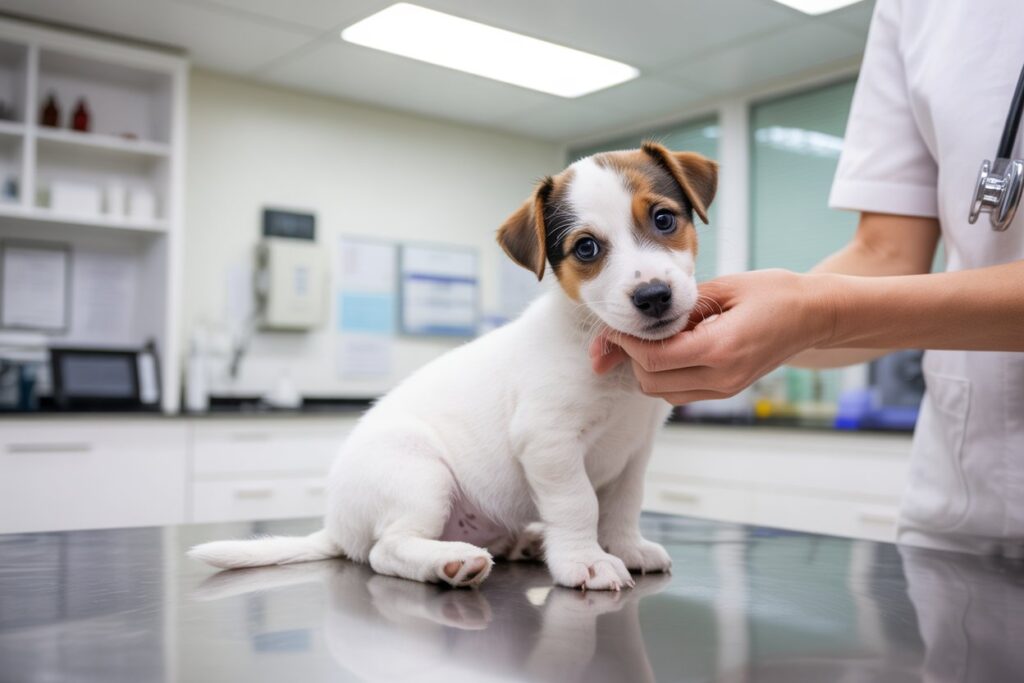
Veterinary Time
(You MUST consult a Veterinary Professional before administering treatments)
Desensitisation to grooming is one of the most important things you can do as a responsible dog owner. As your puppy grows into adulthood, you could be faced with issues around grooming and basic husbandry that would have been so easy to avoid if you started in puppy years. Having a healthy coat that is free from fleas and mats is a simple welfare requirement, so spend time grooming your dog at home. Focus on touching the puppy’s paws, mouth, and ears, as these are the areas dogs dislike the most.
Breeds that have a poodle mixed in (Cockerpoo, Cavapoo, Labradoodle, Goldendoodle, etc.) are the ones that will need extra attention in the grooming sector. Ensure you get your puppy booked into a grooming salon as soon as possible, so they learn the grooming process very young. This will make everyone’s time far safer and less stressful as they mature. And as a dog groomer myself, you can believe me when I say the salon owner will be forever grateful to you as a responsible owner!
Microchipping is a legal requirement and therefore needs to be done before you collect your new addition at no younger than 8weeks old. Any responsible breeder will be fully aware of the needs of the litter, so if the pup is not coming with a microchip, I would strongly suggest having a think about finding a more reputable source of your puppy. Many lifelong issues can be seen in puppies purchased from breeders who do not have the animal’s best interest at heart. Choose wisely!
The above three essential points will vary depending on what breed of puppy you have, the weight of the puppy, how old it is when you collect (never before 8 weeks!), how many vaccines have been done previously, etc. The best thing to do with these things is speak to your breeder to fully understand what veterinary treatments are and are not being completed before collection. From there, you can register your new addition at a local vet and make a prescription plan with them.
An ID Tag is now also a requirement by law when out exploring, so make sure your puppy always has one on their collar. A double-sided tag is key for fitting the vital details on. Essential information to include on a collar is: Your name/Last Name, your address, two contact numbers, and the name/address or number for the vet’s practice your dog is registered to.
Pro tip – Do not include your dog’s name on their ID tag! Since there has been a surge in dog theft, having a name on the tag could make it a lot easier for someone to manipulate your dog into going with them, simply by calling their name. I would never recommend having your pup’s name on their tag.
I hope this helps you feel a little more prepared for your new arrival! I completely understand how overwhelming everything must feel right now, but by breaking down what you actually need for your puppy, I hope you are now ready to jump in with both feet and experience the unconditional love and loyalty that no amount of money can buy. At the end of the day, all you truly need to give a puppy a happy home is: patience, love, warmth, and endless cuddles!