Physical Address
304 North Cardinal St.
Dorchester Center, MA 02124
Physical Address
304 North Cardinal St.
Dorchester Center, MA 02124

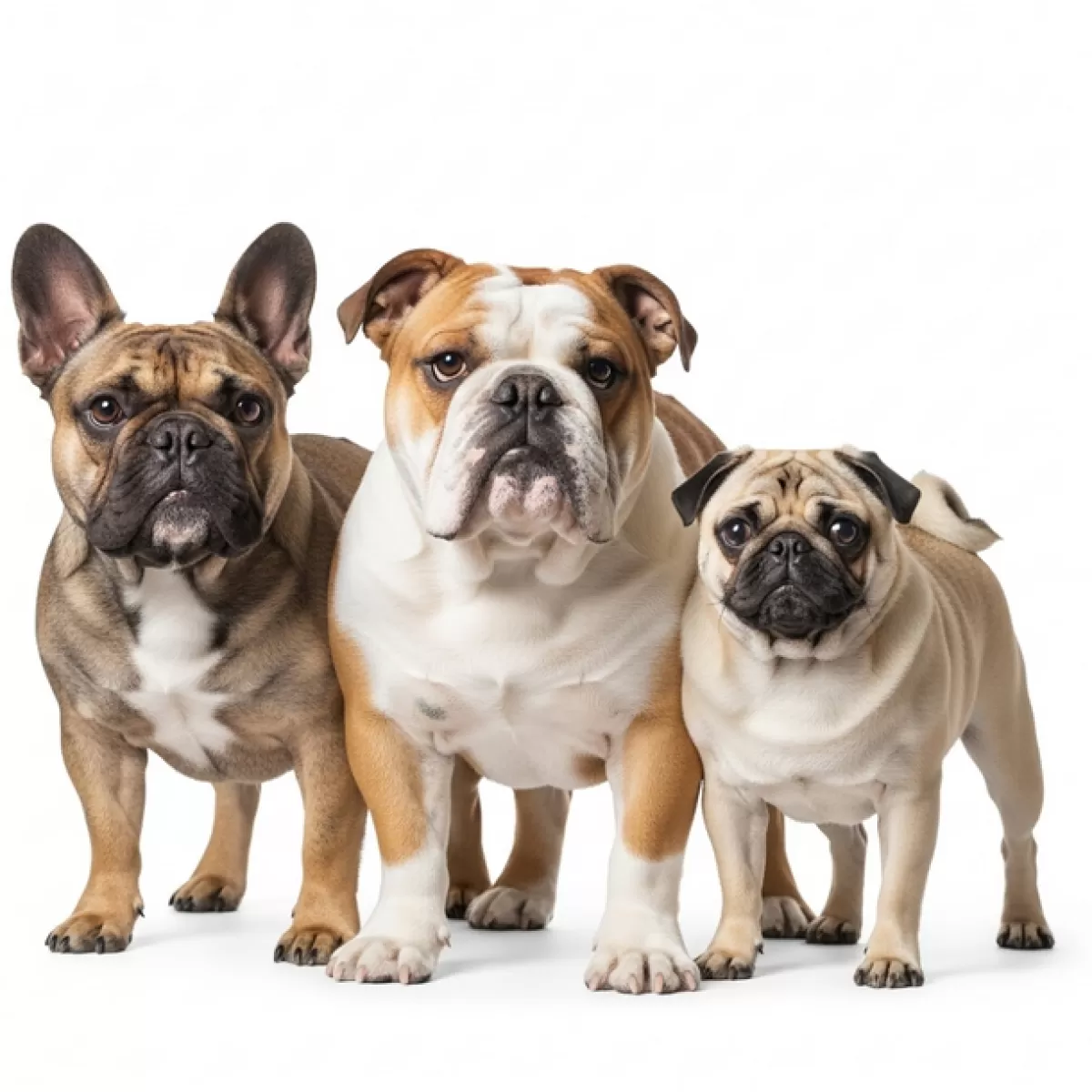
Brachycephalic dogs are canines with a short, broad head or skull, often with a flattened face or a shortened nose.
Brachycephalic dogs often have many respiratory issues and breathing complications, particularly in hot weather. This is the result of Stenotic Nares (narrowed nostrils), Elongated Soft Palate (the tissue located on the roof of the mouth is too long for the shortened skull), and Hypoplastic Trachea (narrow windpipe).
Breeds under the brachycephalic category became very fashionable a few years ago, especially on social media, as people loved their squished face and piglet-like appearance. This sounds very light-hearted and cute, but the reality of the welfare situation is unfortunately very dark.
Due to overbreeding and a dilution of the genetic pool within brachycephalic breeds, the medical complications resulting from irresponsible breeding have now become a veterinary crisis. According to the British Veterinary Association (BVA), approximately 56% of all brachycephalic dogs require ongoing veterinary treatment throughout their lives.
These respiratory complications usually result in the dogs needing a corrective surgery related to a condition known as ‘Brachycephalic Obstructive Airway Syndrome (BOAS).’ The surgery required helps to ease the airway issues, but costs on average £2000 – £5000.
Over 60% of owners who have needed to pay for their dog’s BOAS surgery were unaware that almost every pet insurance company have excluded brachycephalic breeds from their main cover, as the vast majority will need this surgery at some point in their lifetime. This is extremely important to consider if you are looking into having a brachycephalic dog.
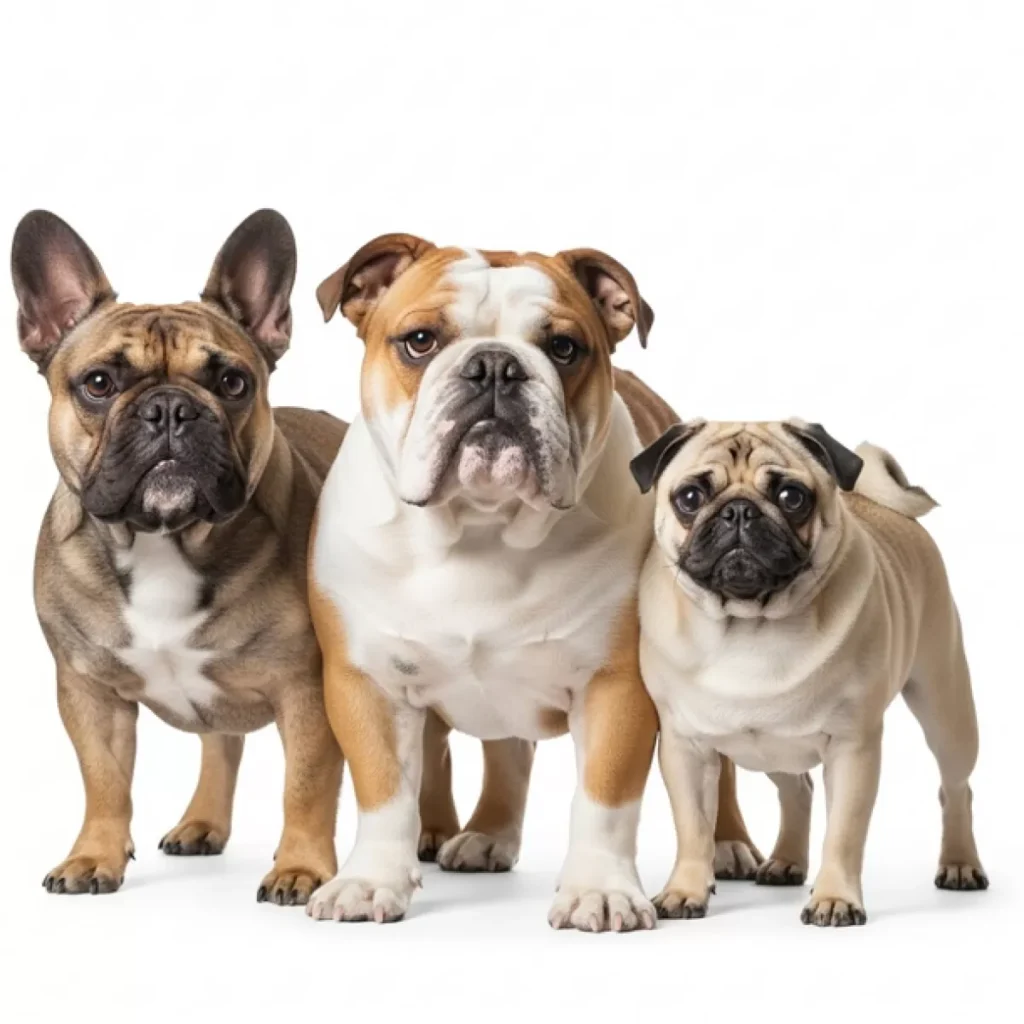
Brachycephalic Breeds
Speaking of brachycephalic dogs, let’s have a look at the 10 most recognisable breeds under this category:
From this list, the top 3 most commonly owned brachycephalic breeds are:

French Bulldogs – “Frenchie”
French Bulldogs are the most commonly owned brachycephalic dog in the UK.
Average Cost Per Puppy = £1,500 – £3,500
Known Health Complications = BOAS, Heatstroke, Sensitive Skin, Ear Infections, Birthing Issues
https://www.petmd.com/dog/general-health/french-bulldog-health-issues
Average Medical Costs = The Frenchie is one of the highest of any dog breed in the UK when it comes to a lifetime of medical costs, with some estimations being over £12,000.

Pugs
Pugs have secured second place for the most owner-brachycephalic dog breed in the UK.
Average Cost Per Puppy = £800 – £3,000
Known Health Complications = BOAS, Eye Complications, Skin Infections, Hip/Elbow Dysplasia, Obesity
https://www.pdsa.org.uk/pet-help-and-advice/looking-after-your-pet/puppies-dogs/small-dogs/pug
Average Medical Costs = The total medical costs for a Pug in the UK are also one of the highest, estimated to be over £10,000 for BOAS and additional respiratory surgeries. This does cover their whole lifespan, but it is still something to consider before jumping in and buying or rescuing a Pug.
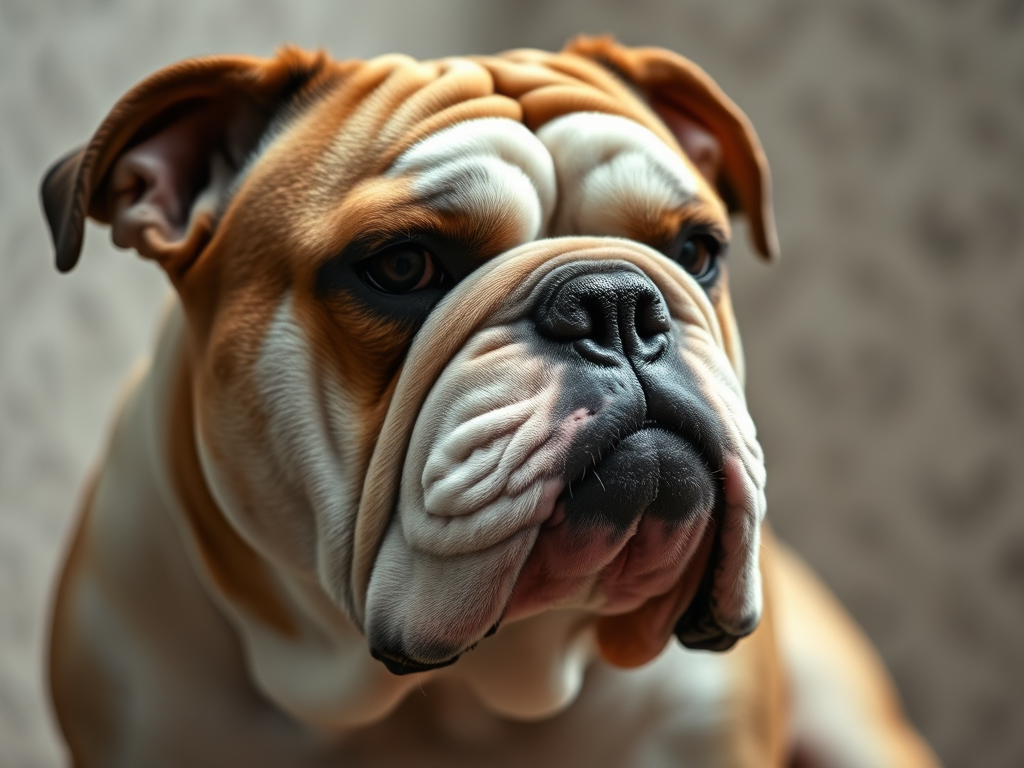
English Bulldogs – “Churchill Dog”
Coming in the third place, the English Bulldog is also a common choice for a brachycephalic breed in the UK.
Average Cost Per Puppy = £3,000 – £5,000
Known Health Complications = BOAS, Eye and Ear Complications, Skin Infections, Hip/Elbow Dysplasia, Obesity
Average Medical Costs = English Bulldogs have medical bills that, on average, are exceedingly high, with the estimated costs expected to be between £20,000 and £24,000 throughout the dog’s lifetime. It is really important to be aware of this, especially when looking to purchase an English Bulldog!
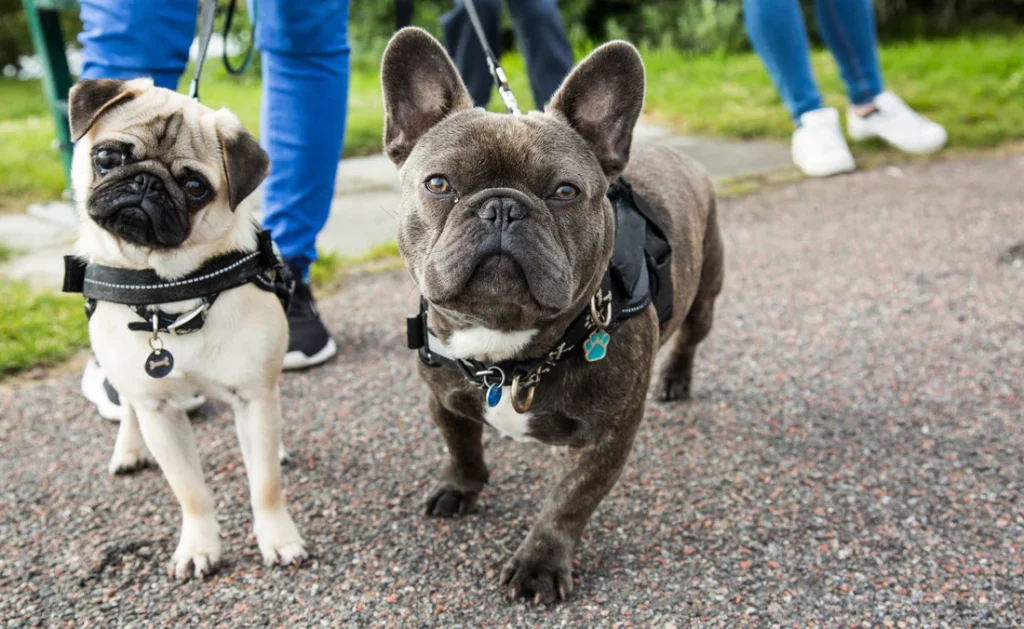
Owning Brachycephalic breeds is not all doom and gloom. Most make great family pets and are good around children and other dogs. However, you really need to complete intensive research into any brachycephalic breeds that you are considering. It is important to have a plan for pet insurance and a separate savings pot for potential future surgeries.
I would strongly advise vetting your breeder before taking the plunge and purchasing a puppy/dog. A responsible breeder will have documented proof of all vaccines, hip and elbow scores, respiratory checks, KC and Pedigree paperwork, etc. (If interested in finding out more about what to look out for when choosing a breeder, please keep an eye out for our next blog!)